
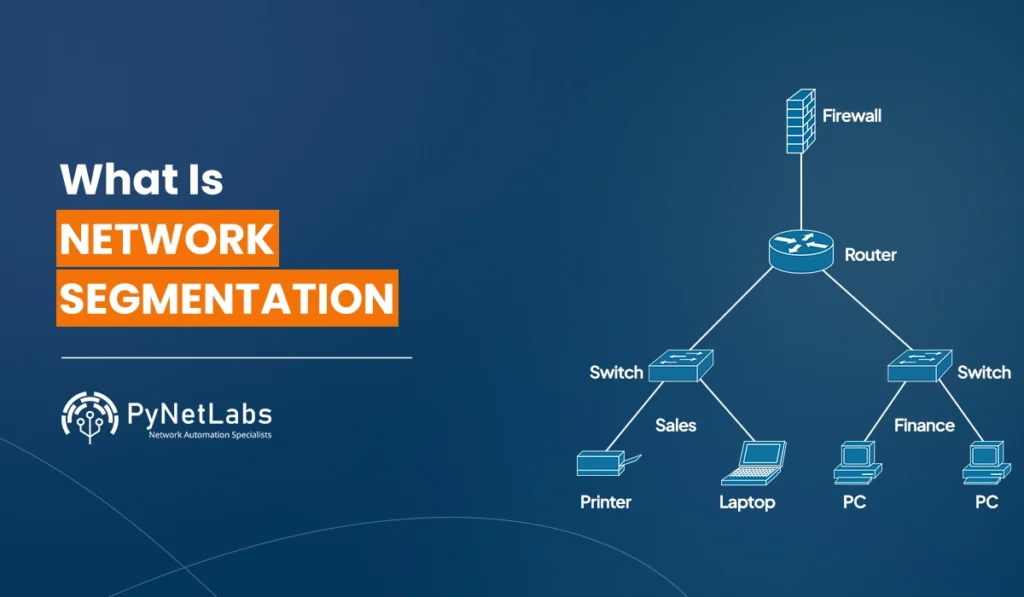



Network segmentation is the practice of dividing a network into smaller, controlled sections to improve security and manage network traffic. Which helps team to limit access and protect the sensitive systems and also reduce the damage when a security breach happens.
In simple terms the network segmentation keeps every user an device and application in the right place. It makes sure one part of the network should not freely access the every system or all the data at once.
What Is Network Segmentation In Cyber Security
Network segmentation in the cyber security used to control, how the traffic inside a network works and it creates clear boundaries between system and user and also the application servers and sensitive data of business.
Without the segmentation of the network the attacker can move from one weak device to more important system and this movement often called the lateral movement during a security attack.
Segmentation reduces the risk by limiting each user or reach of the devices. It gives security teams more control over internal traffic as well as access to the path.
How Network Segmentation Works
Network segmentation works by separating a large network into smaller zones or segments. Each segment has its own access rules, security checks, and traffic controls.
These rules decide which users, devices, and applications can communicate with each segment. They also block traffic that does not match the approved security policy.
A business may create separate segments for employees, guests, servers, finance, development, and operations. Each area gets access only to the systems needed for its work.
Firewalls, routers, switches, VLANs, access control lists, and security policies can support segmentation. Many modern environments also use identity and device posture for access decisions.
Types Of Network Segmentation
Physical Segmentation
Physical segmentation separates networks using different hardware, cables, switches, and network devices. It creates strong separation because each network runs on its own physical setup.
This type is useful for highly sensitive systems that need strict isolation. Banks, hospitals, factories, and government environments often use this approach for critical operations.
The main challenge is cost, because it needs more hardware and maintenance. It can also become harder to manage when the network grows quickly.
Virtual Segmentation
Virtual segmentation separates networks through software controls instead of separate physical hardware. VLANs are a common example of virtual segmentation in business networks.
It allows teams to create multiple network zones on the same physical infrastructure. This makes segmentation more flexible, easier to scale, and less expensive.
Virtual segmentation is useful for office networks, data centers, and growing digital environments. It gives teams better control without rebuilding the full network design.
Firewall Based Segmentation
Firewall based segmentation uses firewall rules to control traffic between different network zones. It checks traffic before allowing users or systems to connect across segments.
For example, the finance segment may access accounting software but not development servers. This reduces unnecessary access and keeps sensitive systems better protected.
Firewalls can also inspect traffic for threats, malware, and suspicious activity. This adds another security layer between important parts of the network.
VLAN Segmentation
VLAN segmentation divides a physical network into separate logical networks using network switches. Each VLAN creates a separate broadcast domain, allowing organizations to group users, devices, or systems based on their roles or security requirements. However, VLANs alone are not a complete security control. Traffic between VLANs should be controlled using mechanisms such as ACLs or firewalls.
Microsegmentation
Microsegmentation provides granular security controls for individual workloads, applications, or systems. Unlike traditional segmentation, which often creates broader network zones, microsegmentation can control communication between workloads based on factors such as application, identity, environment, or security policy.
Cloud Segmentation
The cloud segmentation separates the cloud workloads and accounts the networks, and services using cloud security controls.
Benefits Of Network Segmentation
Improves Security Control
Network segmentation improves security by limiting who can access important systems and data. It reduces open pathways that attackers can use during a breach.
When every segment has clear rules, security teams can enforce better access control. This makes the network harder to misuse from inside or outside.
Reduces Attack Spread
Segmentation helps contain attacks before they reach the wider business network. If malware enters one segment, it cannot automatically reach every system.
This is important because many attacks begin with one compromised device or account. Strong segmentation can stop that first compromise from becoming a larger business incident.
Protects Sensitive Data
Businesses often store sensitive information across databases, financial systems, customer platforms, and employee applications. Network segmentation helps isolate these systems from users and devices that do not require access, reducing the risk of unauthorized access and limiting the potential impact of an attack.
Supports Compliance
Many compliance standards expect businesses to protect sensitive data with proper access controls. Segmentation helps meet these requirements by separating regulated systems from general networks.
Improves Network Performance
The network Segmentation can improve performance by reducing the traffic which are unnecessary across the full network. Each segment can handle traffic related to its own particular users and the devices and applications.
Makes Monitoring Easier
A segmented network is easier to monitor because traffic patterns are more predictable. Teams can quickly notice unusual communication between systems or zones.
For example, a printer trying to reach a database may signal a problem. Segmentation helps security tools detect this unusual behavior faster.
Network Segmentation Best Practices
Start With Business Critical Assets
Start by identifying the systems, applications, and data that matter most. These may include customer records, payment systems, business applications, and admin tools.
Once critical assets are clear, place them in protected segments with stricter controls. This helps reduce risk without making the entire network too complex.
Use Least Privilege Access
Every user and device should get only the access needed for their work. This reduces unnecessary exposure and lowers the impact of stolen accounts.
Least privilege access works well with segmentation because both focus on controlled movement. Together, they help reduce risk across users, devices, and applications.
Separate Guest And Internal Networks
Guest WiFi should always stay separate from internal business systems and applications. Visitors do not need access to company servers, printers, databases, or admin tools.
This simple segmentation step can prevent many avoidable security problems. It also protects internal teams from unknown devices connecting to the network.
Control Traffic Between Segments
Segmentation only works when traffic between segments is properly controlled and reviewed. Each connection should have a clear business reason and approved security rule.
Avoid allowing broad access between departments, servers, and user groups. Open rules can weaken segmentation and create hidden paths for attackers.
Review Policies Regularly
The network segmentation rules should be reviewed regularly to remove outdated or unnecessary access. Old rules can potentially create security gaps. The regular reviews keep the segmentation aligned with current business and needs for the security.
Common Network Segmentation Mistakes
One common mistake is creating segments without clear access rules between them. This gives a false sense of security while leaving traffic too open.
Another mistake is treating VLANs as complete security by themselves. VLANs help with separation, but they still need proper access control.
Some teams also forget to monitor traffic after segmentation is deployed. Monitoring is important because it shows whether the rules are working correctly.
Network Segmentation Example
Imagine a company with employees, guests, finance users, developers, and production servers. Without segmentation, these groups may share too much network access.
With segmentation, each group gets a separate zone and access policy. Guests only access the internet, while finance users access approved finance systems.
Developers may access testing systems, but production access needs stronger approval. This design limits risk and keeps sensitive systems better protected.
Why Network Segmentation Matters Today
Modern networks include cloud apps, remote users, mobile devices, and connected business systems. This makes flat networks more risky and harder to control.
Network segmentation gives businesses a practical way to reduce internal security risk. It protects critical assets while supporting normal work across teams and locations.
It also supports zero trust security because access is never assumed automatically. Every connection should be checked based on identity, device, policy, and need.
Conclusion
Network segmentation is a practical security strategy for controlling access, protecting sensitive systems, and limiting the spread of cyberattacks. By dividing a network into controlled segments and enforcing appropriate access policies, organizations can reduce lateral movement, improve visibility, and protect critical resources.
FAQs About Network Segmentation
Q1. What is network segmentation?
Ans. Network segmentation is the practice of dividing a large network into smaller segments with controlled access between them. It helps protect systems and limit the spread of attacks.
Q2. Why is network segmentation important in cyber security?
Ans. The network segmentation in the cyber security limits how far an attacker can reach after gaming access. It protects sensitive system and reduces the impact of security incidents.
Q3. What are the main types of network segmentation?
Ans. The main types of segmentation includes the physical segmentation, virtual segmentation and VLAN segmentation along with firewall based segementation and microsegmentation.
Q4. How does network segmentation improve security?
Ans. Network segmentation improves security by controlling traffic between users, devices, applications, and systems. It blocks unnecessary access and helps protect critical resources and sensitive data.